 KanbinaLUMINA
Storytelling and sponsored content
A story a reader chooses to finish does more for a brand than an ad the reader skips.
Branded long-form I sold and managed inside a metro newsroom's content studio. A food-relief nonprofit's giving season. A credit union teaching its community how to run a budget, written in Spanish. A bank's community investment story.
- I sold each piece, briefed it and managed it with the client: the angle, the interviews, the photographer, the series and how it would travel.
- Product talk became reader value. The financial piece teaches you how to take control of a budget before it ever mentions a loan.
- Series, not one-offs. A "more in this series" block kept readers, and sponsors, inside one story.
Branded contentSeriesSpanishNonprofitFinancial services
A hub, not a feed
Sponsored storytelling works as a hub. One landing page holds the cause, the numbers, the stories and the sponsors, and sends the reader deeper. This site is built the same way, on purpose: one page, every screenshot one click from its context.
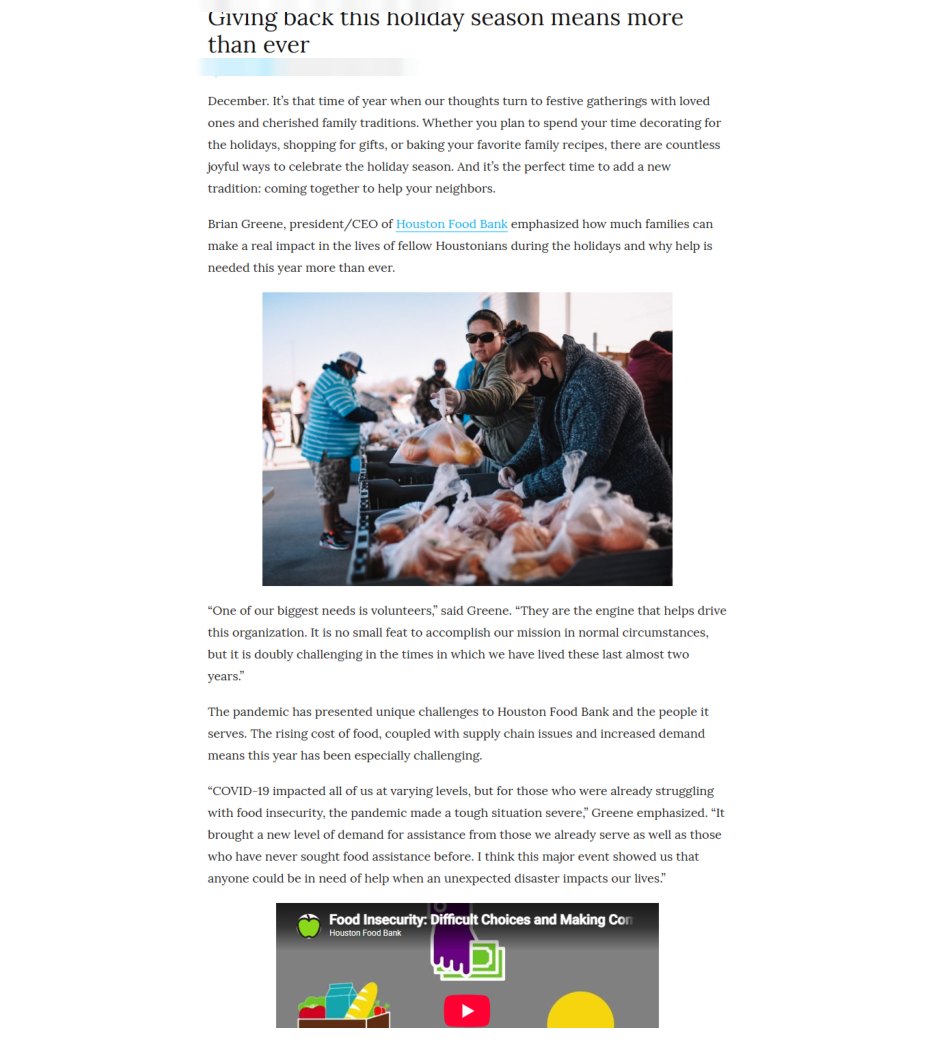
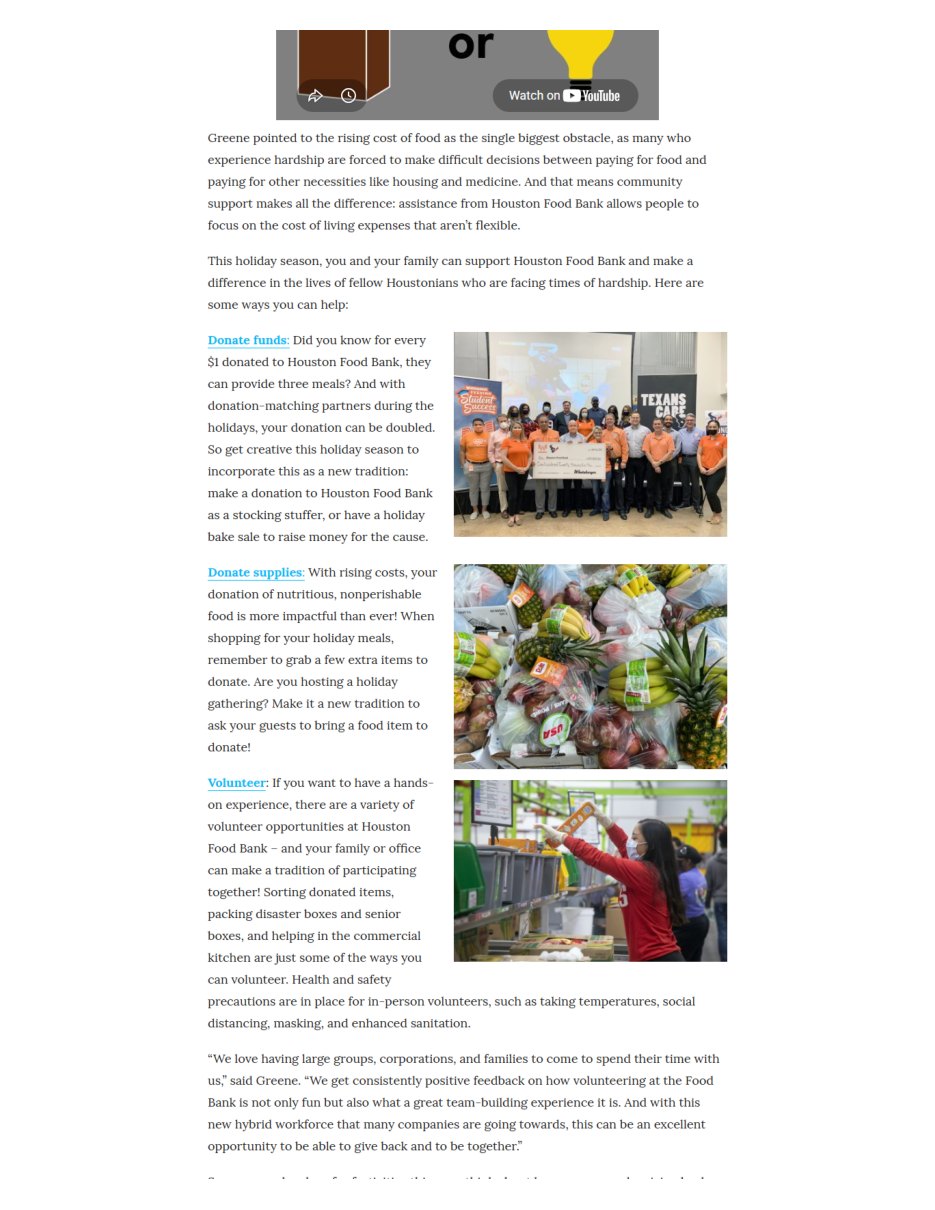

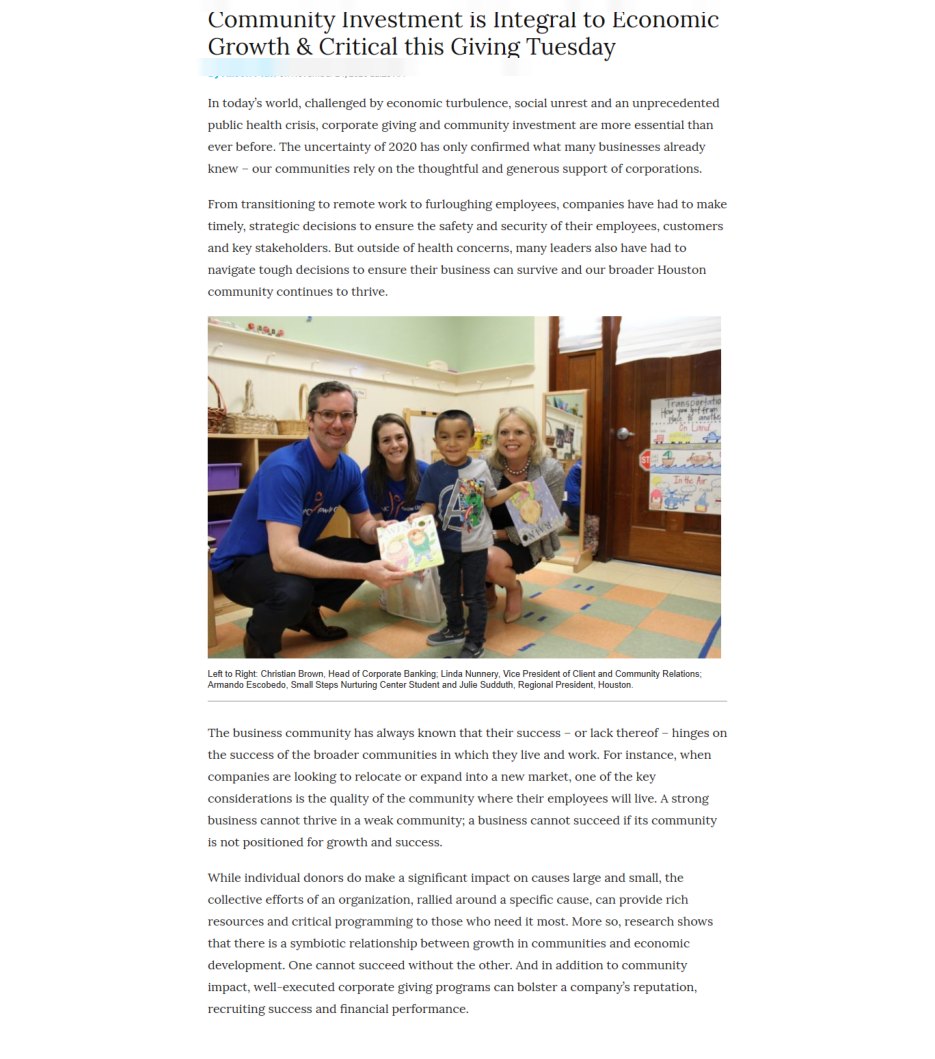
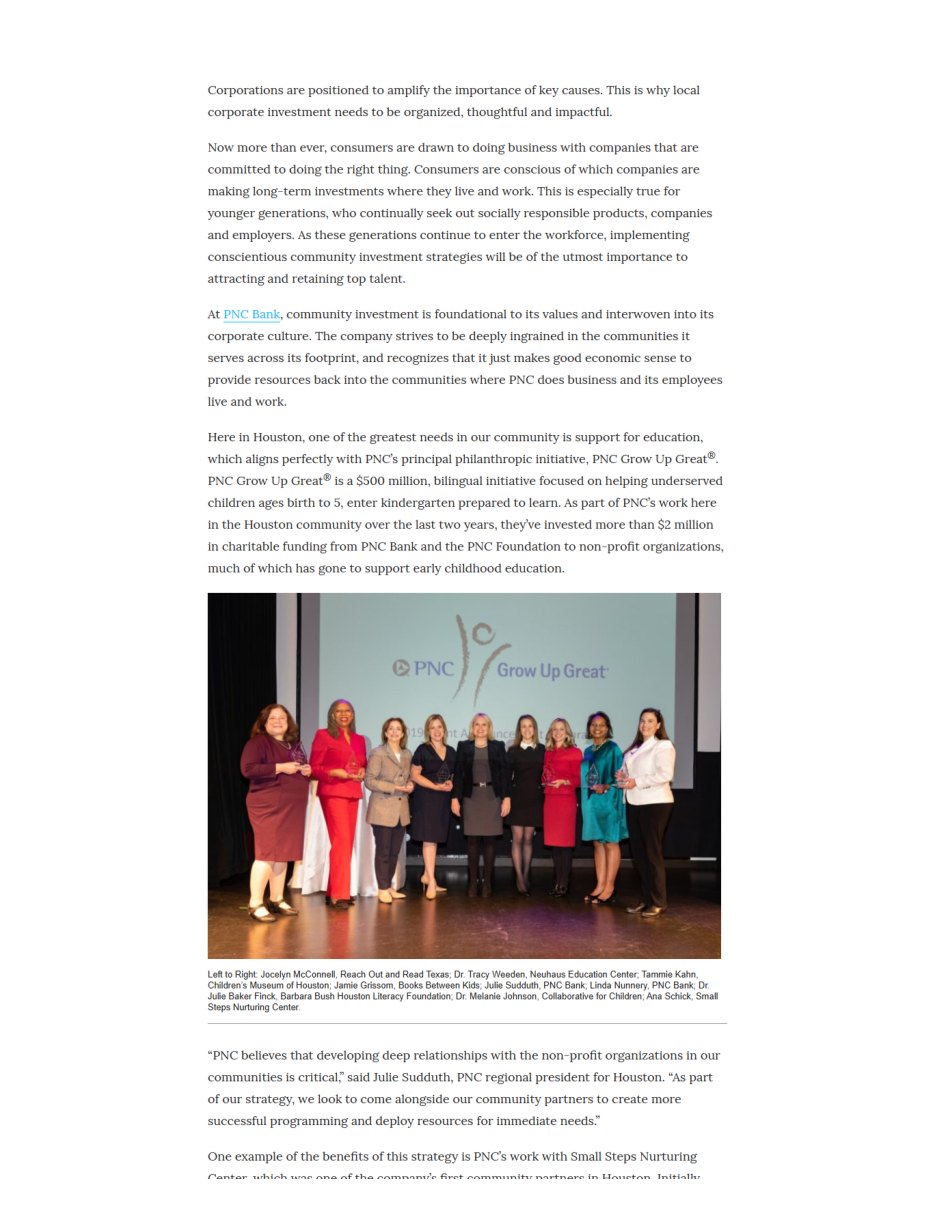
Published 2020 to 2021. Mastheads, sponsor logos and bylines pixelated. The layout and the storytelling are as they ran.
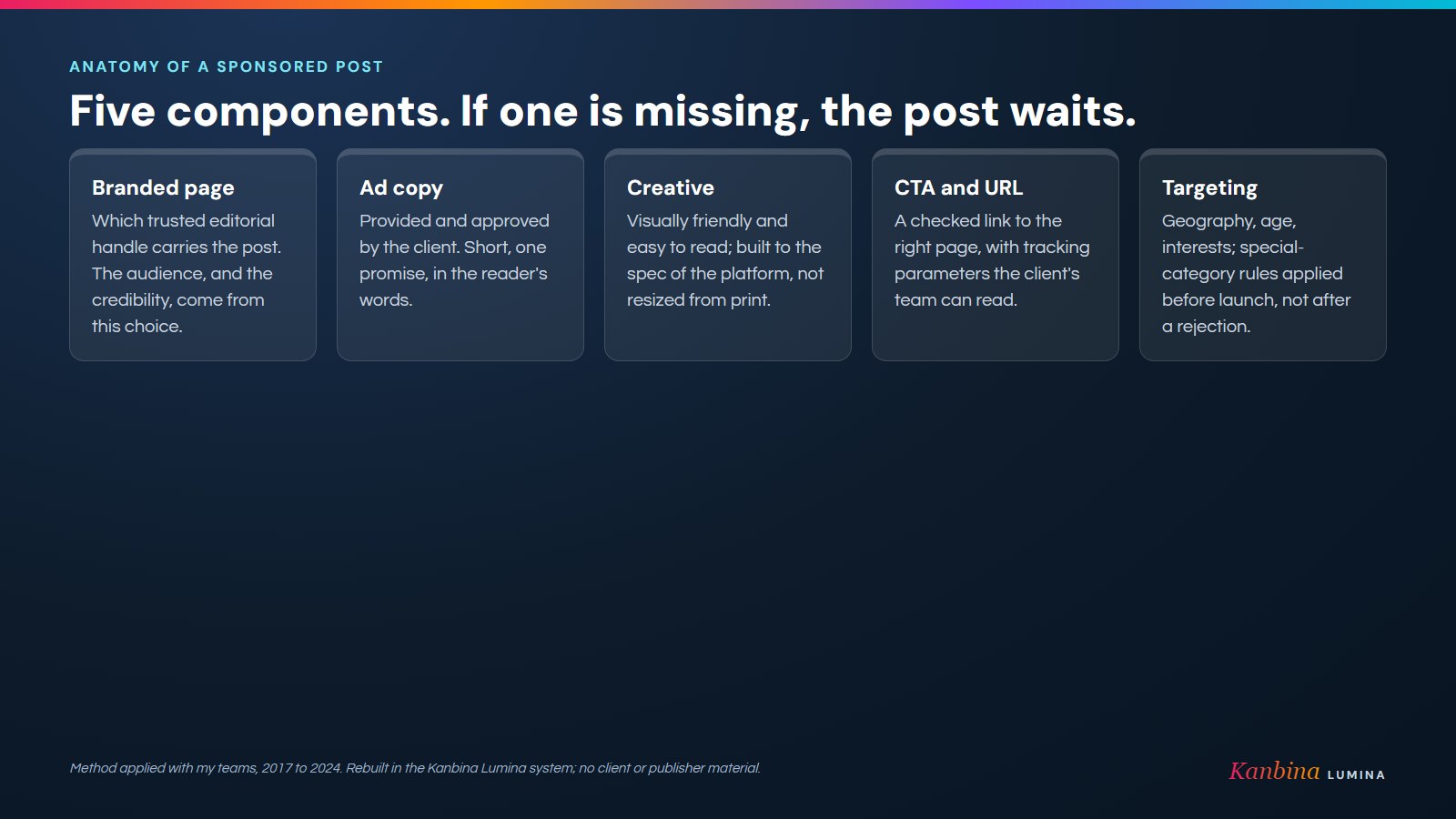
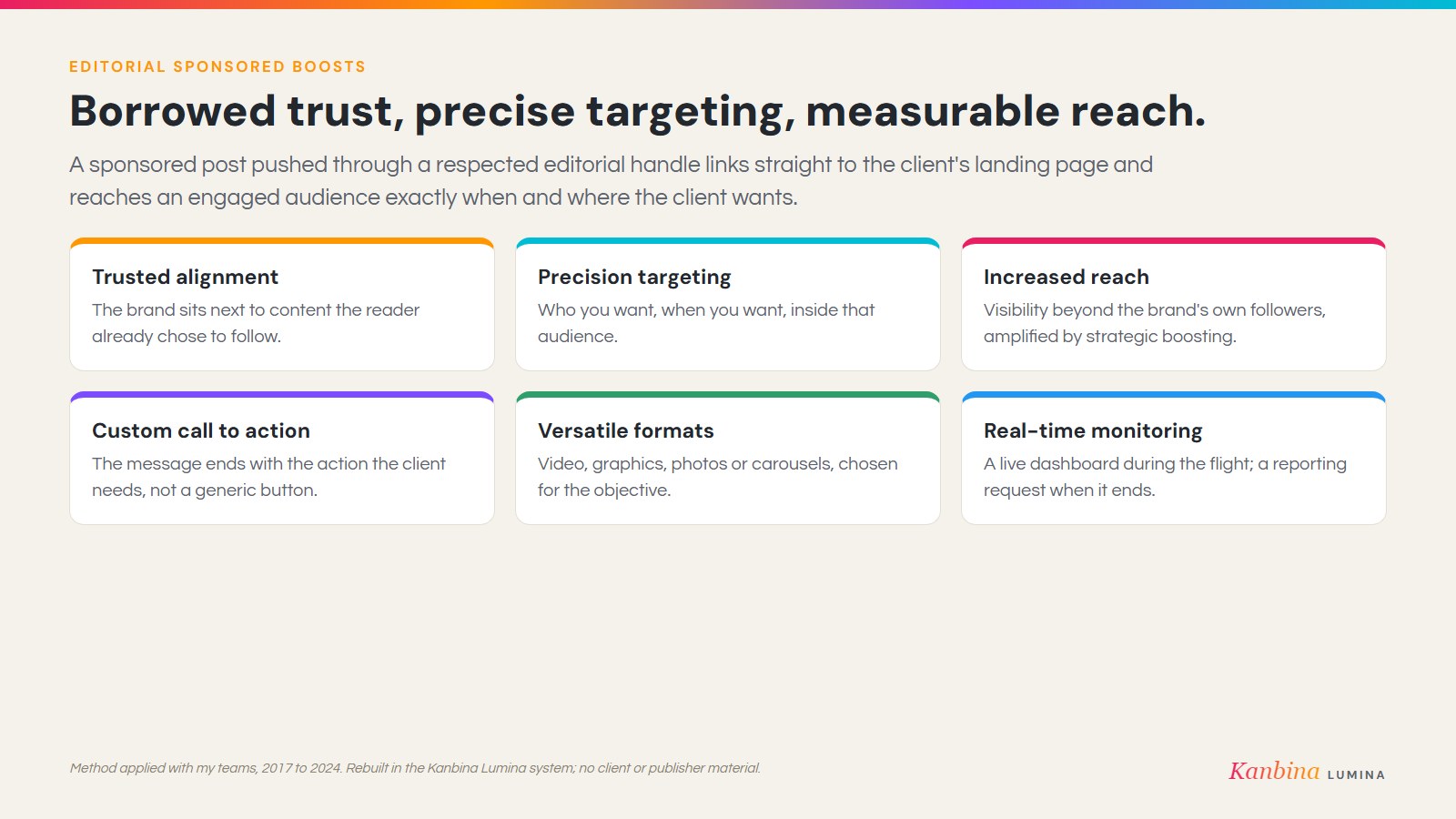
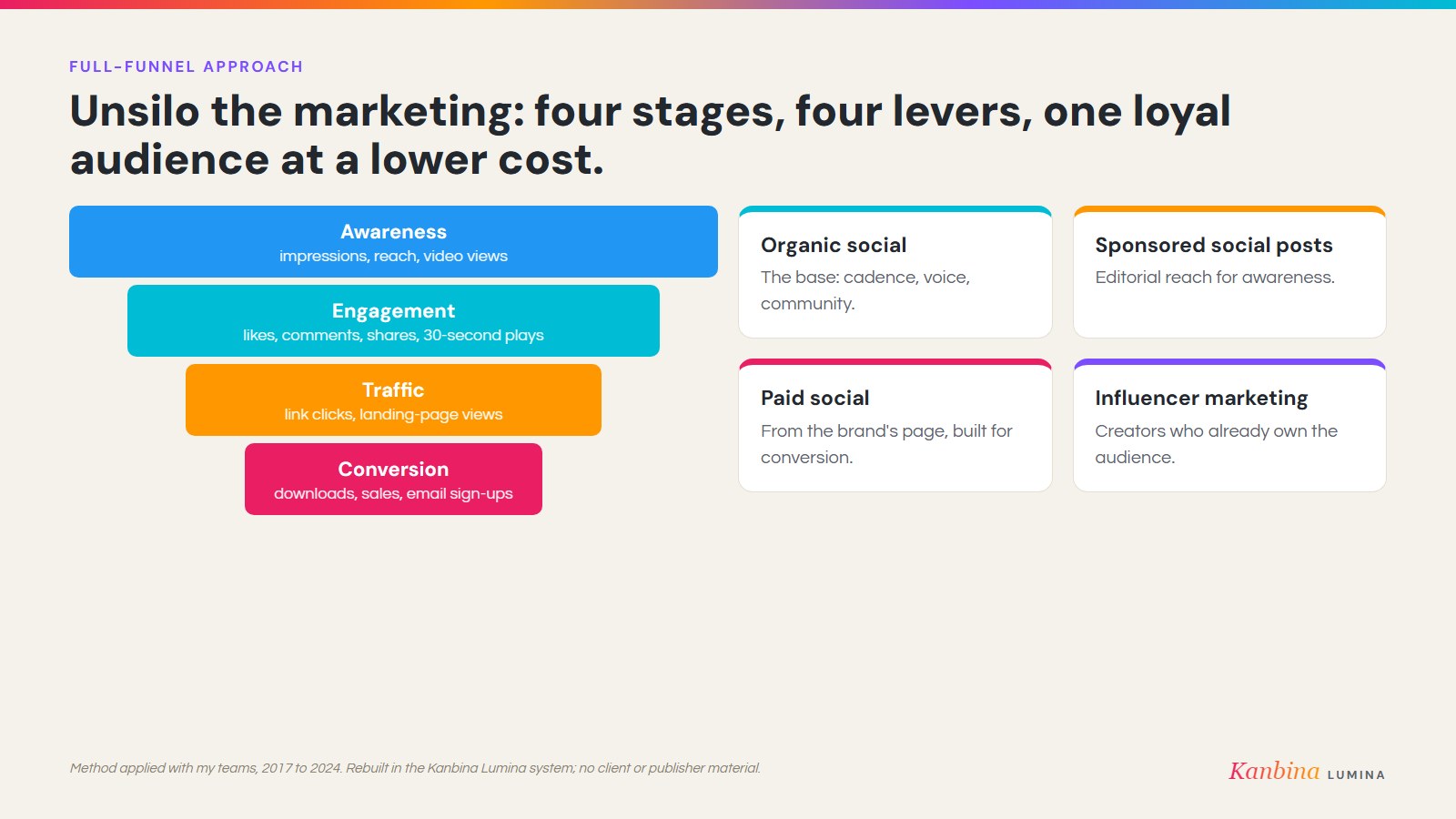
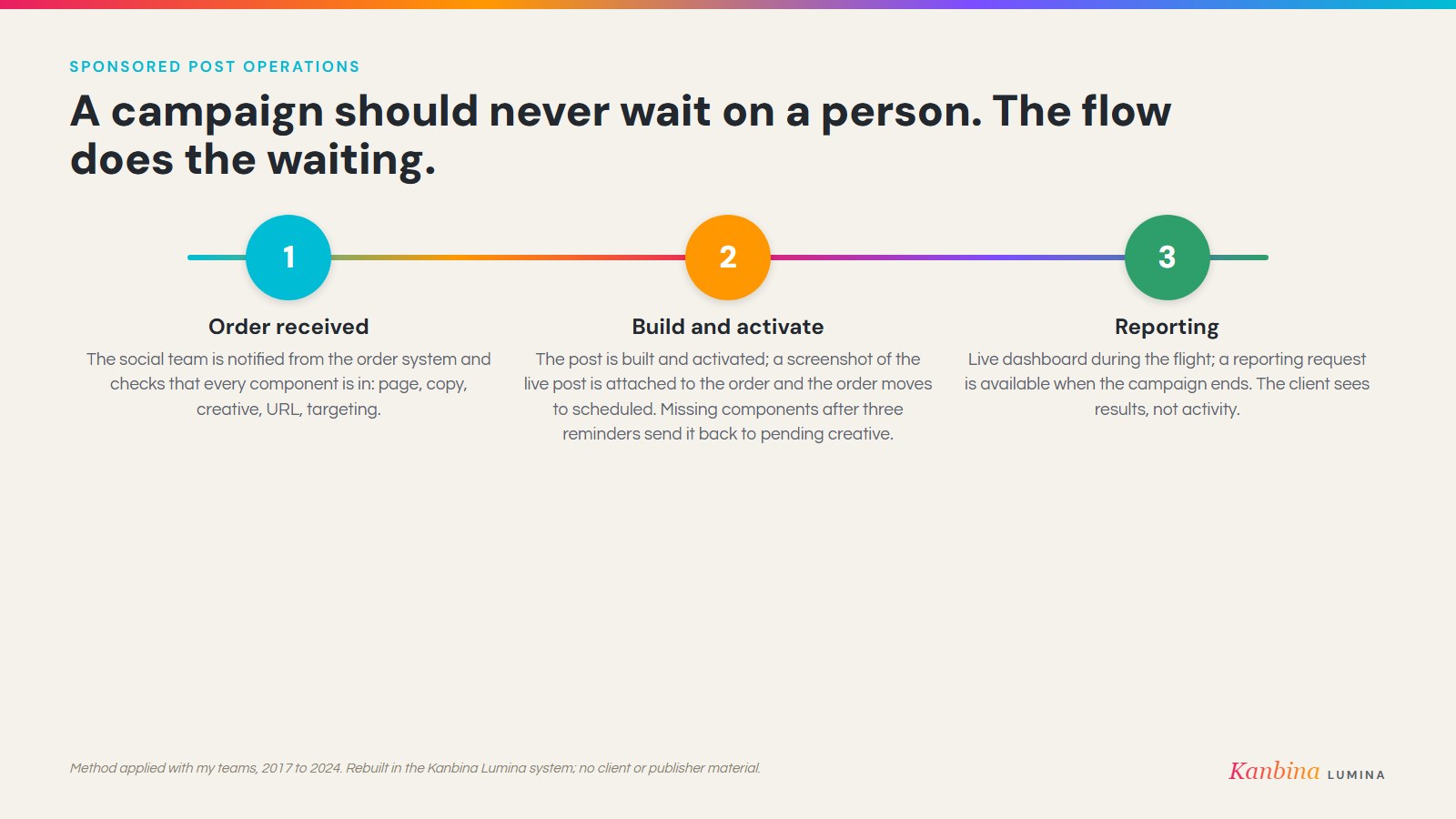
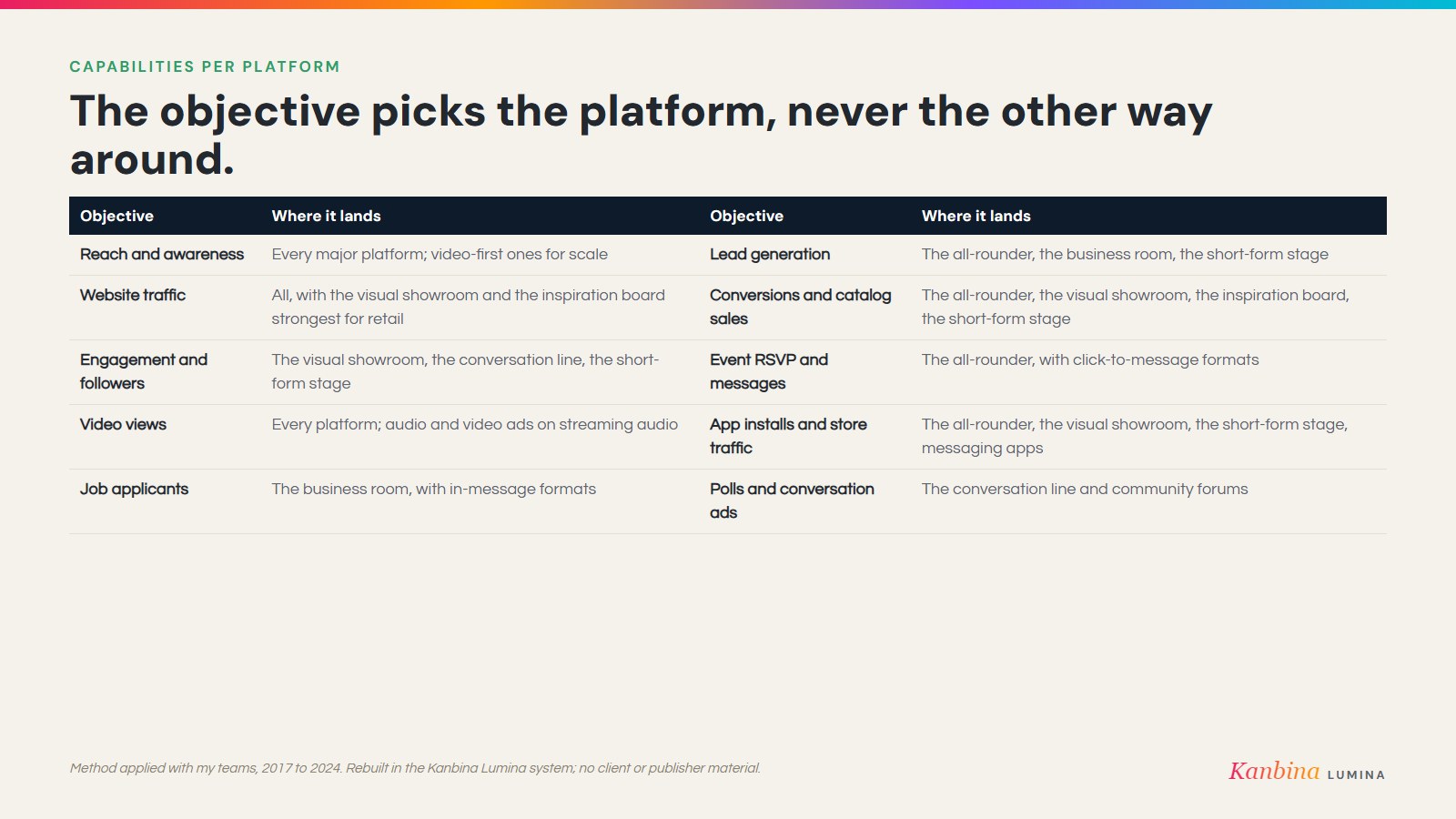
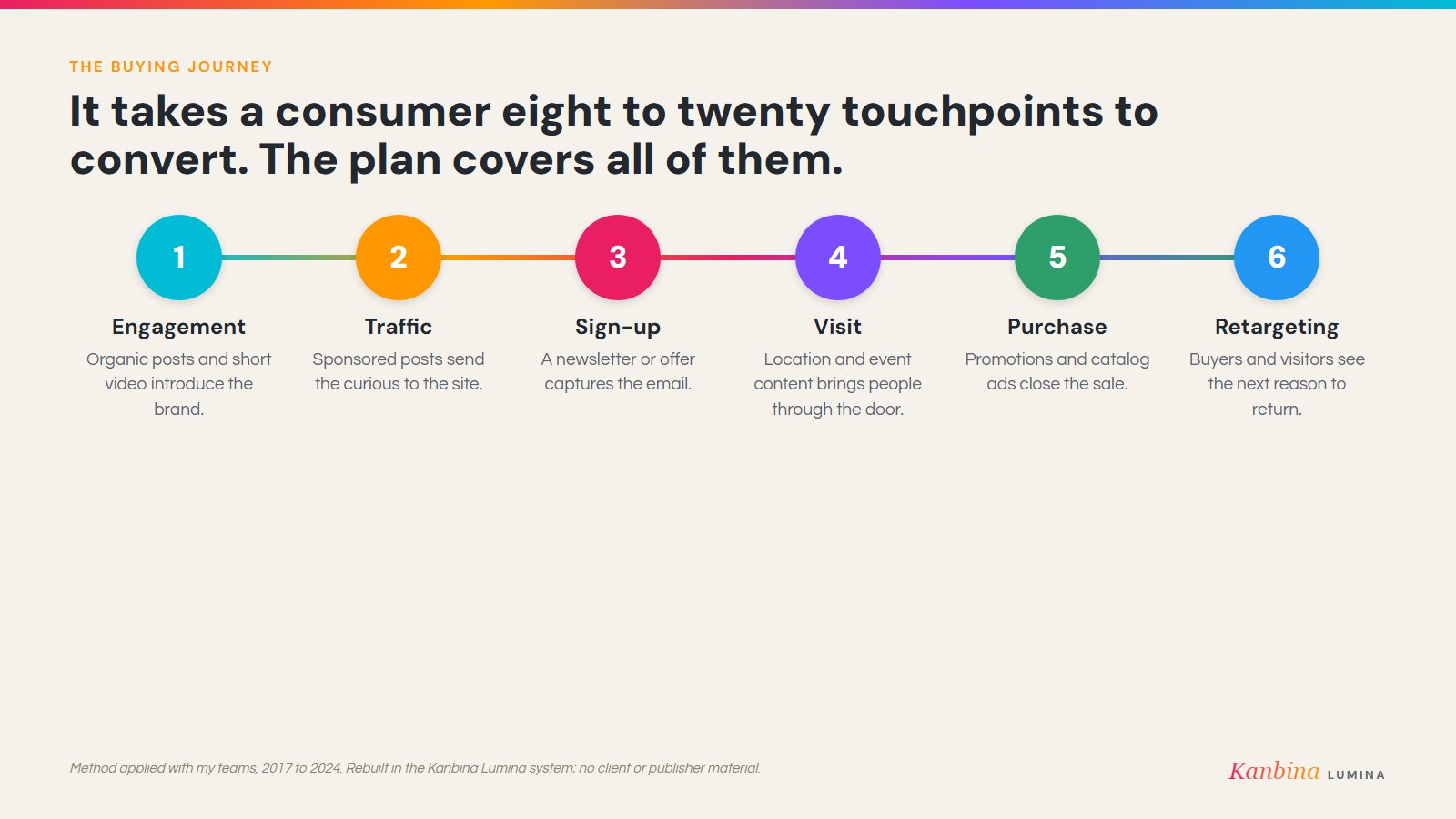





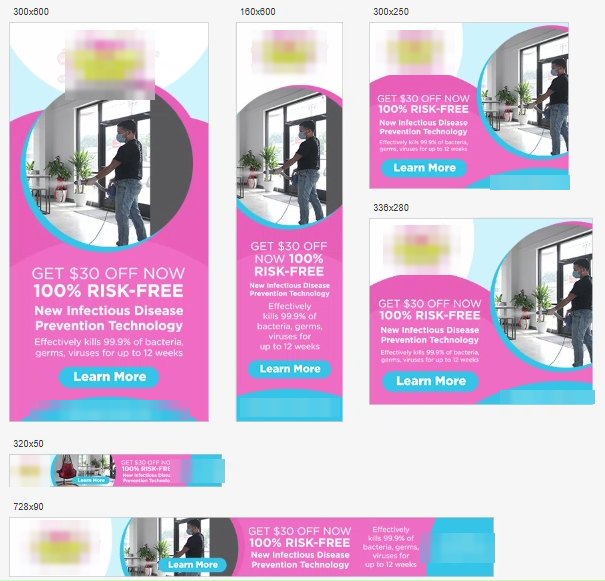
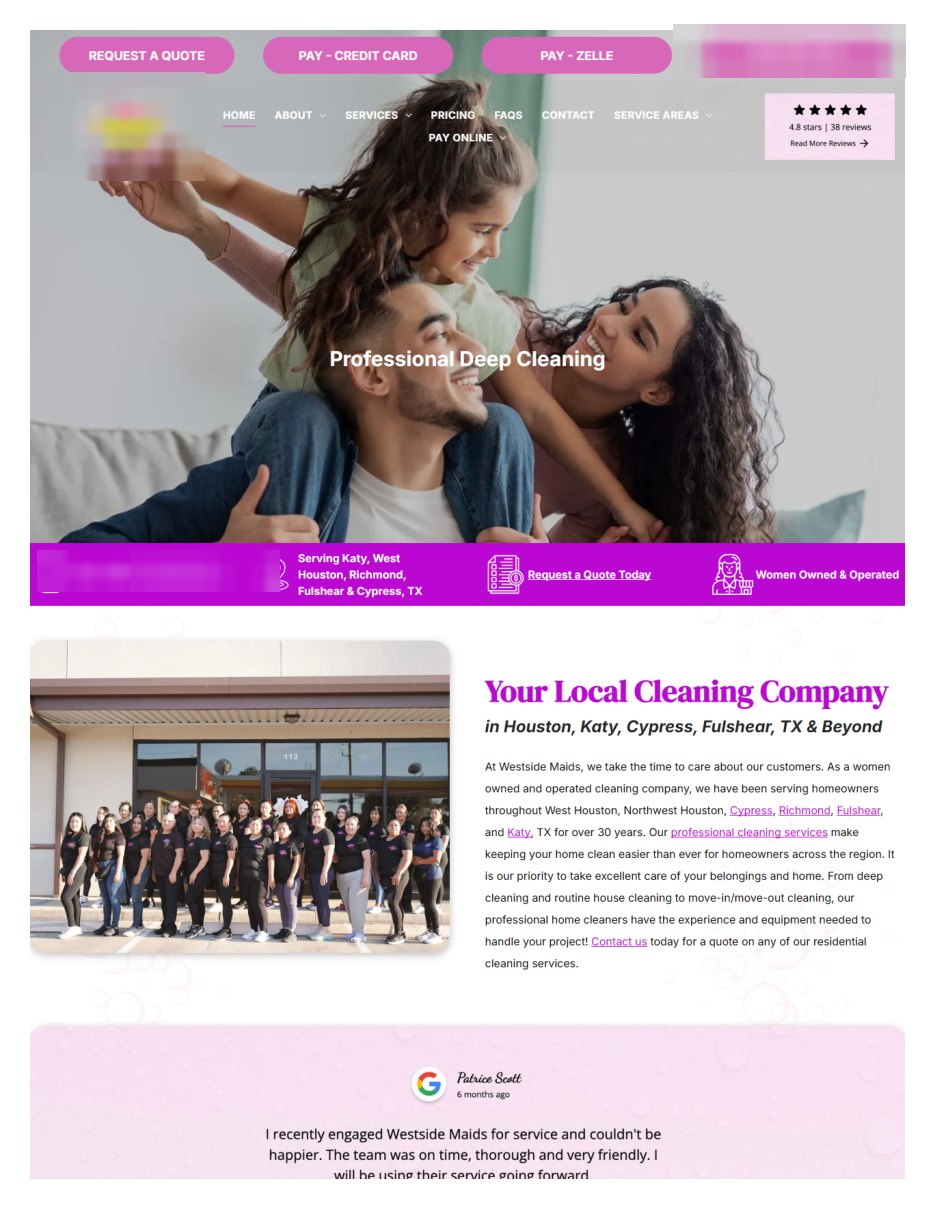
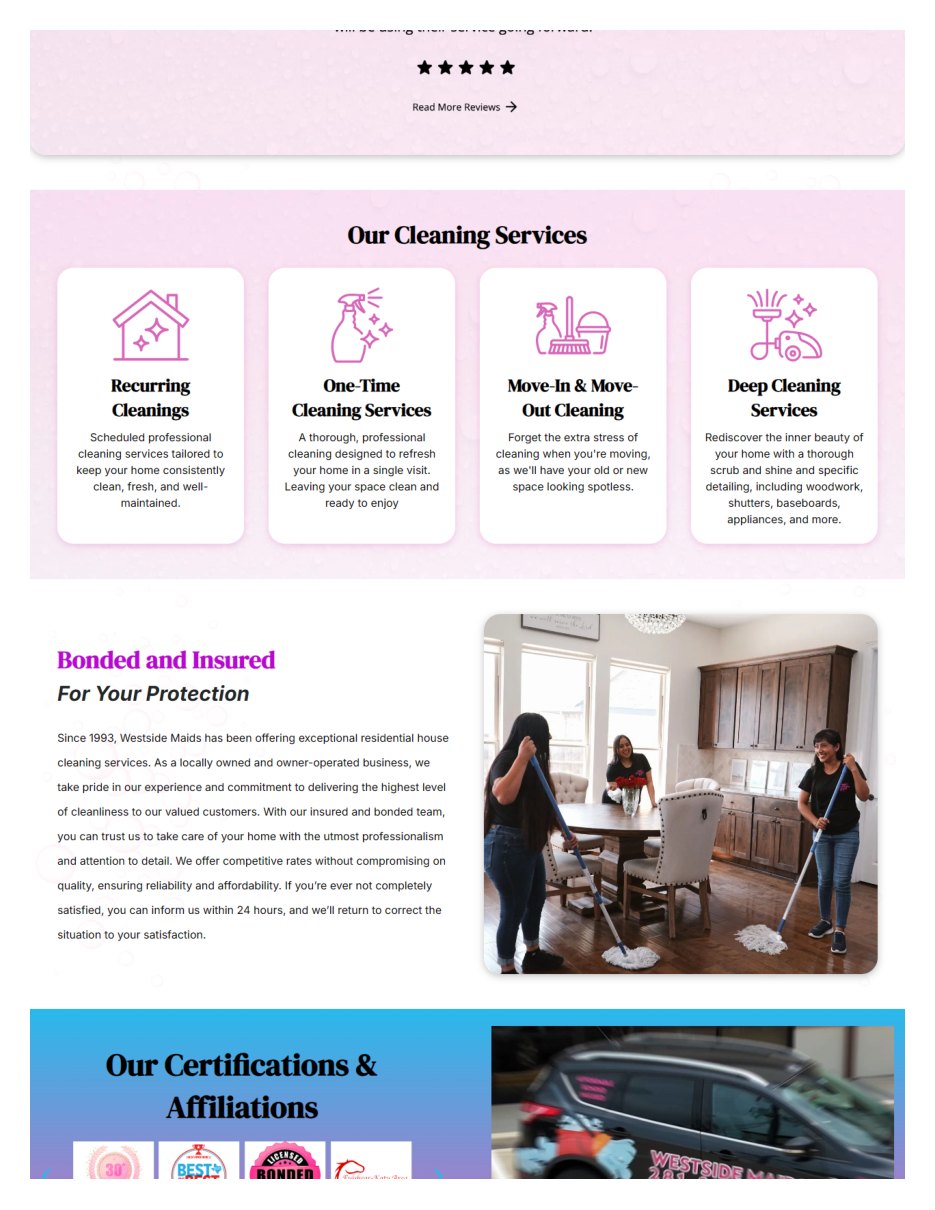
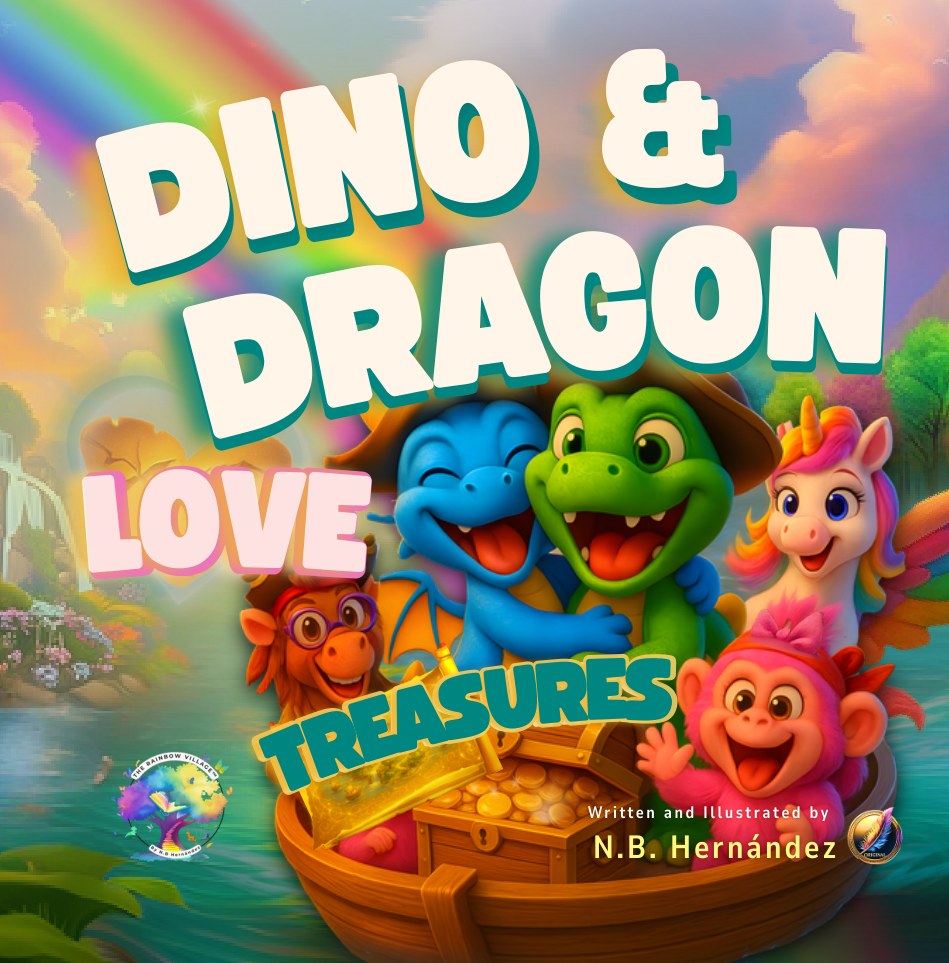
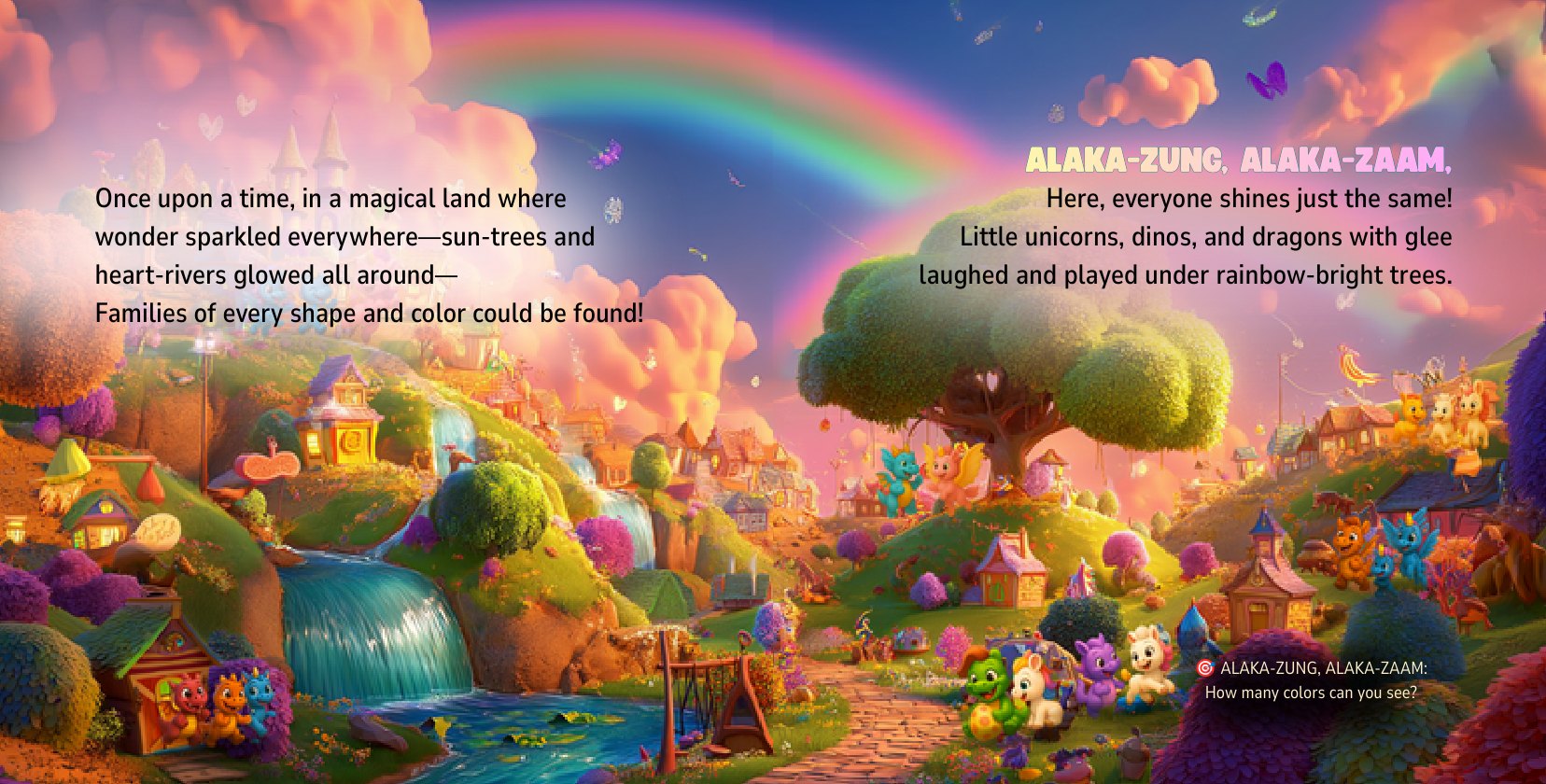
Before a single post, an audit: what the brand says, what rivals say, what the audience answers.
Social programs I sold and ran through a media group's social studio for local businesses: med spas, service companies, nonprofits, schools. Nothing got posted until the client had seen the audit, the competitive read and the strategy, and said yes.
Why the audit comes first
A feed is the last thing a buyer should notice. The audit puts the gap in front of the client in its own words, so the strategy is a decision they make, not a pitch they hear. Years later the same habit became the baseline step in my commercial growth system.
The work on the feed: mockups prepared for a med spa client
The method behind it
Method I applied with my teams, 2017 to 2024, for med spas, service companies, nonprofits and schools. The slides are rebuilt in the Kanbina Lumina system; no client or publisher material appears.